Storm Season in Fishers: How to Prepare Your Roof Before the Next Big Storm
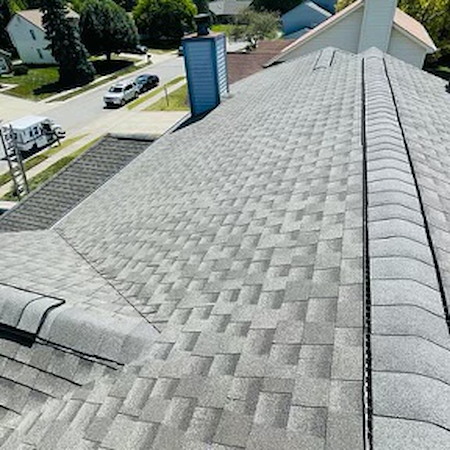
In Fishers, IN, fast-moving spring fronts and summer thunderstorms can turn a small roof weakness into a big, messy leak. If you want to prepare your roof in Fishers, IN, the smartest move is to schedule a professional visit before severe weather hits. A trained crew can spot issues early, reinforce weak points, and recommend upgrades that stand up to hail and high winds. If your home needs more than a tune-up, ask about professional roof installation so your system is ready when the radar turns red.
From Saxony to Hamilton Proper and around Geist Reservoir, homes face different wind patterns and tree exposure. What they all share is the need for a strong, sealed roof system. Below is a simple plan to reduce storm risk without taking chances on a ladder.
Why Storms Threaten Roofs in Fishers, IN
Central Indiana’s storm season often brings straight-line winds, heavy rain, and bursts of hail. Wind-driven rain can work under lifted shingles or loose flashing. Hail can bruise or crack shingles, which opens the door for slow leaks that show up weeks later.
Peak risk arrives as temperatures swing in late spring and again during late-summer pop-up storms. In winter, snow and freeze-thaw cycles can stress sealants and create ice along eaves. A roof that looks fine from the street can still be vulnerable at seams, edges, and penetrations.
How to Prepare Your Roof in Fishers, IN Before Storm Season
Schedule a professional roof inspection before peak storm season. A pro knows where water sneaks in and how wind lifts the system. During an appointment, the technician checks the whole assembly, not just the shingles.
- Inspect and secure flashing at chimneys, skylights, and sidewalls where wind-driven rain finds gaps.
- Evaluate ridge caps and starter rows, common points of wind uplift.
- Verify attic ventilation and intake to limit heat and moisture that weaken shingles over time.
- Confirm seals around vents and boots so gusts and rain cannot force entry.
- Recommend tree trimming by a qualified arborist if branches overhang the roof.
A Fishers-specific check also looks for wind exposure from open fields near newer developments and heavier tree debris near Geist. Your contractor will tailor the plan to your lot, roofing material, and the age of your system.
Signs Your Roof May Be Vulnerable
You do not need to climb on the roof to notice red flags from the ground or inside the home. Walk your property safely and look for concerns you can report to your contractor.
- Dark streaks, missing shingle corners, or edges that look raised or curled.
- Granules collecting in gutters or at the ends of downspouts after rain.
- Ceiling spots in upstairs rooms or the hallway after a wind-driven storm.
- Rust marks or staining near exterior vents and chimney areas.
Never climb onto the roof after a storm. Shingles can be slick, soft, or loose even if they look secure. Let a trained professional document conditions, take photos, and propose the safest fix.
Material Choices and Upgrades That Improve Storm Readiness
Small upgrades can make a big difference when winds pick up. Your contractor may suggest heavier ridge caps, enhanced starter strips, and sealed valleys to reduce uplift. Underlayment choices also matter, including ice-and-water protection along eaves and around penetrations to help block wind-driven rain.
Ask for impact-rated materials if your home sees frequent hail. Many modern shingles carry impact ratings designed to resist bruising. Fastener choices matter too. Ring-shank nails and proper nail placement help hold shingles during gusts. Details like drip edge and closed-cut valleys add strength and direct water away from vulnerable edges.
If you are weighing a full upgrade, talk with a local pro about design, material, and timing. You can browse trusted roofing in Fishers, IN resources to learn how a complete system works together and why each layer matters.
Neighborhood and Lot Factors Around Fishers
Every roof faces a different mix of wind and debris. Near Geist Reservoir and Fall Creek, dense tree cover can drop limbs and clog drainage. In open sections of Saxony and along new builds east of Olio Road, broad sightlines can invite stronger gusts that test ridge caps and starter rows. Sunblest and other mature neighborhoods may have older flashing that is more likely to loosen during a hard rain.
Lot elevation, roof pitch, and nearby structures also shape risk. A higher ridge line can catch more wind. Complex roofs with multiple valleys demand extra attention at every seam. Your roofer will factor all this into an action plan before hail and lightning arrive.
After the Storm: What to Do First
Stay safe and survey conditions from the ground. Check ceilings for wet spots and note any water along window heads or light fixtures. Step outside when it is safe and look for missing shingles, dangling gutters, or tree damage that might have struck the roof.
Document what you see with clear photos from the yard and keep your notes in one place. Call your insurer to open a claim if you suspect damage, then contact a reputable local contractor. Avoid door-to-door storm chasers who pressure you to sign on the spot. Choose a company with an established presence and real references in Hamilton County.
If a pro finds widespread wear or structural concerns, a new system may be the safest path. Ask about timelines, materials, and how weather may affect scheduling. Your contractor can outline the steps for a code-compliant replacement and explain how each layer protects your home.
How a Pro Visit Protects Your Home
When a qualified roofer inspects your home, they start with the roof surface and work down to the attic. The goal is to confirm that water sheds fast, wind cannot lift edges, and moisture does not get trapped below the deck. They also check ventilation, which keeps the system cooler in summer and helps prevent winter ice along eaves.
Expect a written report that highlights priorities in plain language. Urgent items might include lifted flashing or failed seals. Preventive items could be ridge cap reinforcement, added ice-and-water protection, or improved intake vents. If you decide it is time for a new system, learn how roof installation ties all of these parts together for long-term storm performance.
Plan Your Timing Around Fishers Weather
Fishers often sees the first strong fronts in late March and April, then another active period in mid to late summer. Booking early helps you avoid backlog when storm reports spike. It also gives your contractor time to order specific materials and plan around neighborhood access, school calendars, and HOA requirements if they apply to your area.
Communication is key. Ask how weather delays are handled and how your property will be protected if a pop-up storm appears mid-project. Good crews set clear expectations and maintain tidy, safe work zones every day they are on site.
Ready to Protect Your Home This Storm Season?
Your roof is a system, not just shingles, and it deserves expert care before the next line of storms reaches Fishers. Connect with Capital Pro Roofing to schedule a professional evaluation or to discuss a full upgrade. Call us at 317-210-2254 or learn how a complete roof installation can help your home stand up to hail, wind, and driving rain.
Quick recap: book a pro inspection, reinforce edges and seams, consider impact-rated upgrades, and keep records. These steps help your home weather Indiana’s storm season with confidence.